



Does Cold Brew Have More Caffeine?
Cold brew has a reputation for being the stronger cold-coffee choice. Sometimes that is accurate, but it is not a rule you can apply to every cup.
Cold brew can contain more caffeine than iced coffee, especially when it is served as a strong concentrate or in a larger portion.
It can also contain the same amount—or less—than a strongly brewed iced coffee.
The answer depends on the coffee-to-water ratio, extraction, dilution, ice, and the size of the finished drink.
The most useful comparison is not simply cold brew versus iced coffee. It is the number of milligrams of caffeine in the serving you will actually drink.
The Quick Answer
Cold brew concentrate: Often has more caffeine per ounce and is intended to be diluted.
Ready-to-drink cold brew: May have more, less, or roughly the same caffeine as iced coffee.
Iced coffee: Can be highly caffeinated when brewed strong or served in a large cup.
Best comparison: Check the caffeine amount for the exact drink and size.
Why the Answer Is Not Simple
“Strong” can mean several things. Coffee may taste bold or intense without containing the most caffeine.
Another cup may taste smoother while delivering more caffeine in the full serving.
Caffeine levels can vary with the brewing method, amount of coffee used, grind size, roast, water temperature, and extraction time.
Two cafés can sell cold brews of the same size with different caffeine totals.
How Cold Brew and Iced Coffee Are Made
Cold brew is generally prepared by combining ground coffee with room-temperature or chilled water and allowing it to extract for several hours.
The Specialty Coffee Association describes it as a slow process that commonly lasts from about four to 24 hours.
Some recipes create a ready-to-drink beverage, while others produce a concentrate that must be mixed with water or milk.
Iced coffee is commonly brewed with hot water and then cooled or poured over ice. It may be brewed stronger than ordinary hot coffee so melting ice does not make the finished drink taste weak.
Hot water extracts coffee compounds quickly, while cooler water works more slowly. Cold brewing compensates with a much longer contact time. Temperature matters, but the recipe and serving still decide the final caffeine level.
For a fuller comparison, read Cold Brew vs. Iced Coffee: What’s the Difference?
The Coffee-to-Water Ratio Can Change Everything
Cold brew concentrate is often made with much more coffee relative to water than a standard ready-to-drink coffee.
That can create a highly concentrated liquid with substantial caffeine per ounce. It is not meant to be treated like an ordinary full cup unless the recipe says it is ready to drink.
Iced coffee can also be brewed at a stronger ratio to account for ice. A café using a generous amount of coffee may serve an iced coffee with more caffeine than another café’s diluted cold brew.
The label cold brew tells you how the coffee was extracted. It does not tell you the exact recipe.
Concentrate and Finished Cold Brew Are Different
Suppose four ounces of cold brew concentrate contain 180 milligrams of caffeine. Adding four ounces of water creates an eight-ounce drink.
The water lowers the caffeine concentration per ounce, but the full drink still contains 180 milligrams because no caffeine was removed.
Dilution does not lower the total caffeine unless you use less concentrate or drink only part of the beverage.
A bottle of concentrate should therefore be evaluated by its recommended serving, not by the caffeine in the entire container.
Serving Size and Ice Both Matter
A per-ounce comparison and a per-serving comparison can produce different answers. A 12-ounce iced coffee could contain less caffeine per ounce than a cold brew but still be the lower-caffeine choice if the cold brew is sold in a larger size.
Ice adds water as it melts and may make coffee taste lighter, but it does not remove caffeine.
When comparing drinks, look for the caffeine in milligrams, the serving size, and whether the cold brew is concentrate or ready to drink.
Brewing Time, Temperature, and Grind Affect Extraction
Hot water begins extracting caffeine and other soluble compounds faster than cold water. Cold brewing uses a much longer steeping time.
Research shows that caffeine concentration rises during cold steeping and eventually begins to level off.
Roast and grind size can also influence the result. Steeping a batch longer does not mean its caffeine will increase forever.
This is why there is no dependable rule such as “cold water means less caffeine” or “longer brewing always means more.”
Does Cold Brew Always Have More Caffeine?
No.
Cold brew is more likely to have more caffeine when it uses a concentrated recipe, receives a large portion of concentrate, or is served in a larger size.
Iced coffee may have more when it is brewed at a strong ratio, contains more brewed coffee, or is compared with a heavily diluted or smaller cold brew.
The drink category gives you a clue about preparation, not a guaranteed caffeine ranking.
How to Compare Drinks at a Café or Store
At a café, check the menu, app, or nutrition information for the exact size.
When the amount is not listed, ask whether the cold brew is served from concentrate and whether the café can provide a caffeine estimate.
For bottled coffee, read the serving information carefully. A container may hold more than one serving, and concentrate may list mixing instructions rather than a ready-to-drink amount.
The FDA notes that caffeine amounts vary among products and that restaurants are not generally required to disclose caffeine totals, although customers can ask for the information.
For homemade coffee, an exact total is difficult to calculate from taste, time, or ratio alone. A consistent recipe can make home batches more predictable, but precise measurement requires testing.
Which Drink Should You Choose?
For more caffeine: Compare the milligrams in the finished serving. Do not assume cold brew automatically wins.
For less caffeine: Choose the smaller verified serving, request decaf or half-caf when available, or select a product with a clearly stated lower amount.
For a smoother flavor: Cold brew is often chosen for its flavor profile, but smoothness does not mean low caffeine. Controlled sensory research has found differences between cold-brewed and chilled hot-brewed coffee even when served at the same strength and temperature.
A Brief Caffeine Note
The FDA cites 400 milligrams per day as an amount not generally associated with negative effects for most adults, while emphasizing that individual sensitivity varies.
Medications, certain health conditions, and pregnancy can affect what is appropriate for a particular person.
Frequently Asked Questions
Does cold brew concentrate have more caffeine than iced coffee?
It often has more per ounce, but recipes vary.
Compare the recommended prepared serving rather than treating concentrate as ready-to-drink coffee.
Does adding water or milk reduce the caffeine?
It lowers the concentration per ounce, but it does not remove caffeine when the original coffee portion remains in the drink.
Can iced coffee contain more caffeine than cold brew?
Yes. A strongly brewed or larger iced coffee can contain more than a smaller or heavily diluted cold brew.
The bottom line
Cold brew may have more caffeine than iced coffee, but it does not always.
The amount of coffee used, brewing process, concentrate-to-water ratio, ice, and serving size shape the final number. When caffeine matters, compare the milligrams in the portion you will actually consume.
That gives you a more accurate answer than the words cold brew or iced coffee ever could.
Check these out
Cold Brew vs. Iced Coffee:
What’s the Difference?
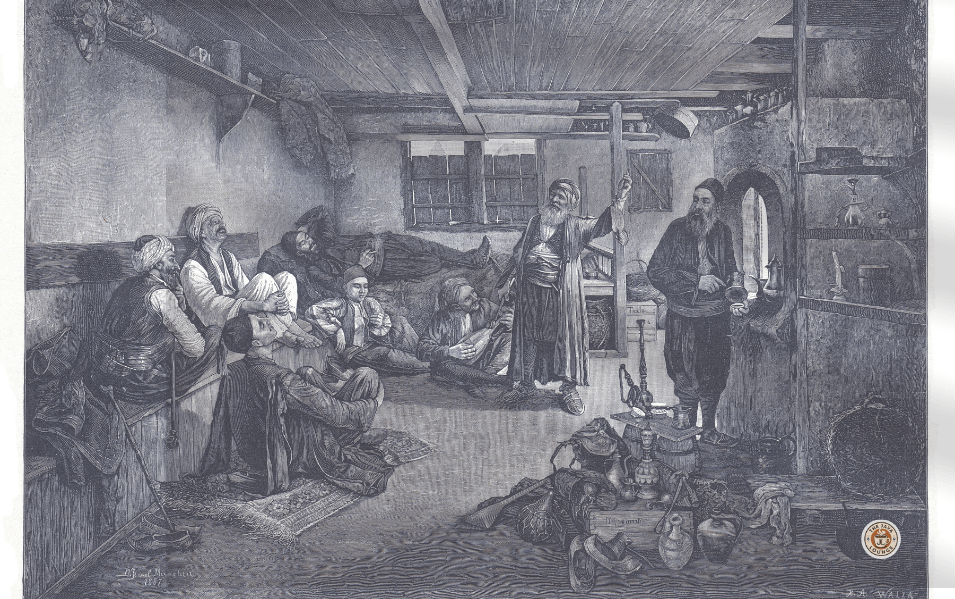
The History of Coffee: From Ethiopia to the Modern Café
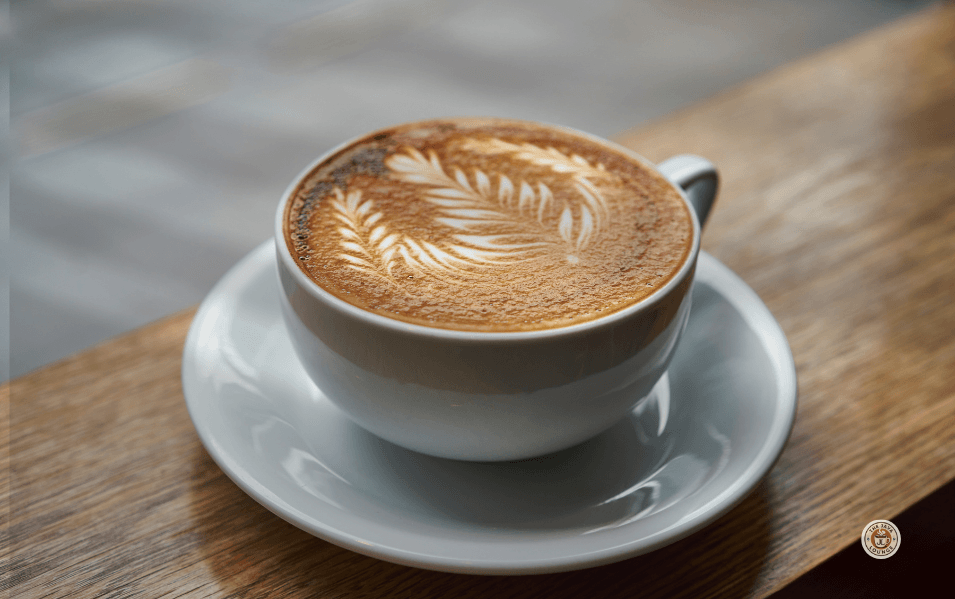
15 Café Drinks Explained for Beginners

What Makes a Cozy Cafe Feel Warm and Inviting?