




The History of Coffee: From Ethiopia to the Modern Café
Coffee feels so ordinary now that it’s easy to forget how far it traveled before becoming part of everyday life.
Long before drive-through orders, espresso machines, and grocery-store coffee aisles, coffee grew in East Africa, became an important crop and drink in Yemen, and found a home in busy coffeehouses across the Middle East.
The history of coffee isn’t one tidy story with a single inventor. It’s a mix of plant history, cultural tradition, trade, technology, and human movement.
Here’s how coffee went from a regional plant to one of the world’s most familiar drinks.
The Origin of Coffee Begins in Ethiopia
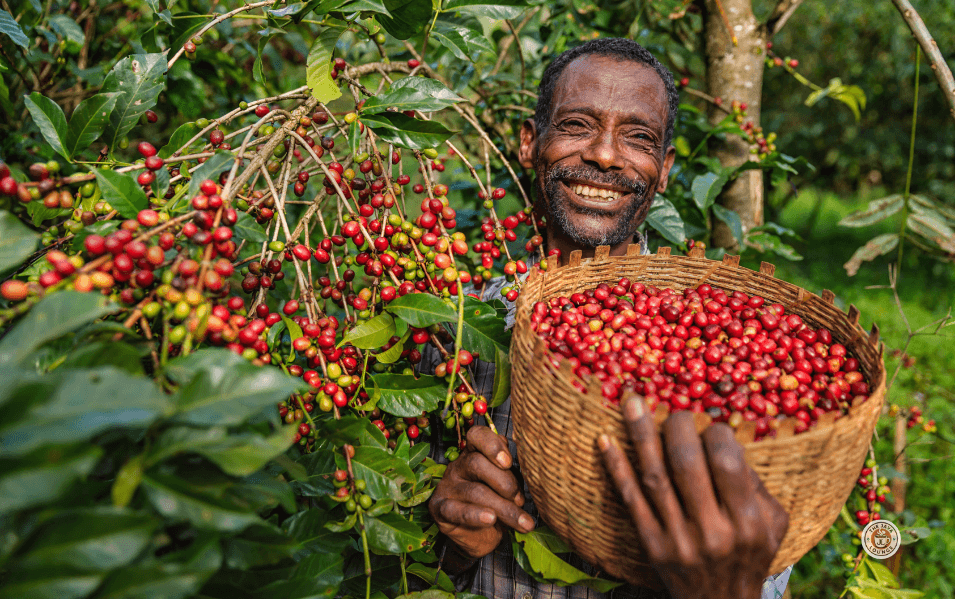
Arabica coffee has its native home in Ethiopia, where the species developed in highland forests. Historians believe coffee seeds were later carried from southwestern Ethiopia to Yemen, where people began cultivating the plant as a crop.
Ethiopia is central to the biological and cultural origin of coffee, while Yemen played a major role in turning it into a cultivated crop, a prepared drink, and an internationally traded product.
You may have heard the story of Kaldi, an Ethiopian goat herder who supposedly noticed his goats becoming energetic after eating red coffee cherries. It’s memorable, but it’s a legend rather than documented history. No reliable record proves that Kaldi existed or that one person suddenly “discovered” coffee
The more accurate version is less dramatic: communities in and around coffee’s native growing region likely learned about the plant over time. Exactly when people began preparing it as a drink isn’t known.
Yemen Helped Turn Coffee Into a Global Drink
By the 15th century, coffee was being cultivated in Yemen. This is where the history of coffee as a recognizable beverage becomes clearer.
Yemeni growers cultivated coffee in the highlands, while the port of Mocha became closely connected to the trade. The name “mocha” originally referred to this Yemeni port long before it became associated with a chocolate-flavored café drink.
Coffee was valued partly because it helped people remain alert. It became connected with religious and social routines, then spread through trade and travel to Egypt, Syria, Persia, and the Ottoman Empire.
Yemen didn’t create the coffee plant, but it became a major early center for cultivation, preparation, and trade. That’s why both Ethiopia and Yemen belong in an honest explanation of the origin of coffee.
Coffeehouses Changed the Way People Gathered
By the 16th century, public coffeehouses had become popular in cities across the Middle East. Customers could drink coffee, talk, hear music, watch performances, play games, and exchange news.
n parts of the Ottoman world, coffeehouses became important centers of cultural exchange.
This social role is one of the clearest links between early coffee culture and the modern café. The surroundings have changed, but people still use coffee shops to meet friends, work, read, talk, and spend time outside the home.
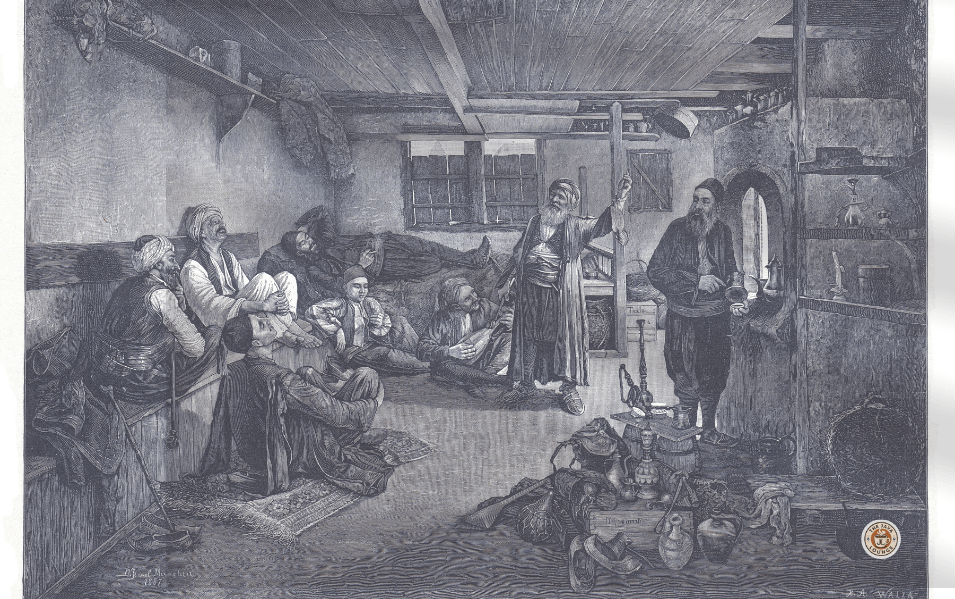
Because coffeehouses brought people together to share news and opinions, political and religious authorities sometimes treated them with suspicion. Attempts were made to restrict them in different places, but the habit of gathering over coffee proved difficult to erase.
Coffee Reached Europe in the 1600s
European merchants and travelers encountered coffee through trade with the Ottoman world and the eastern Mediterranean. By the 17th century, coffeehouses were opening in cities such as Venice, London, Paris, Amsterdam, and Vienna.
Like the coffeehouses that came before them, they became places for conversation, business, information, and debate. Some attracted merchants, while others became associated with writers, artists, brokers, or political groups.
Coffee moved from an imported novelty to an established part of urban life.
Coffee Cultivation Spread Through Colonial Expansion
As European demand grew, colonial powers wanted control over coffee production instead of relying on supplies from Yemen.
Coffee plants and seeds were carried to India and Indonesia, including the island of Java. Cultivation then expanded along colonial trade routes into the Caribbean, Central America, and South America.
Many widely grown Arabica varieties can be traced through these movements from Ethiopia to Yemen and then across the world.
This part of the coffee timeline shouldn’t be presented as a cheerful travel story. Coffee’s rapid expansion was tied to colonial land seizure, plantation systems, and forced labor.
In parts of the Caribbean and the Americas, enslaved Africans were made to work on coffee estates. Indigenous communities and other laborers were also displaced or exploited.
Coffee created enormous wealth, but the people who planted, picked, processed, and transported it often received little of that wealth.
Industrialization Put Coffee Into More Homes
During the 19th and 20th centuries, coffee became easier to roast, grind, package, ship, and brew on a large scale. Pre-ground coffee and mass-market brands helped turn it into a routine household product.
Brewing technology changed too. Percolators, drip machines, instant coffee, and espresso equipment created new ways to prepare and serve it. Coffee became both a home staple and a commercial product built for speed and consistency.
This mass-market stage is often called coffee’s first wave: coffee became widely available and convenient, while less attention was paid to its farm, variety, or individual flavor.
From Coffee Chains to Specialty Cafés
The next major shift placed more attention on the coffee-shop experience. Large café chains helped popularize espresso-based drinks, customized orders, and the idea of the coffee shop as a comfortable place to spend time.
Later, specialty coffee businesses brought greater attention to origin, processing, roasting, brewing technique, and flavor. Customers became more familiar with terms such as single origin, pour-over, light roast, and direct trade.
These stages are sometimes called the second and third waves of coffee. The labels aren’t perfect, but they help explain how coffee culture moved from convenience to café experience and then toward craft, transparency, and origin.
Modern cafés may use equipment and serve drinks that early coffeehouse customers wouldn’t recognize. Still, they continue a much older tradition: coffee as a reason to pause, gather, talk, and take part in public life.
A Quick Coffee History Timeline
Ethiopia: Arabica coffee develops in its native highland environment.
15th-century Yemen: Coffee is cultivated as a crop and prepared as a drink.
16th-century Middle East: Coffeehouses become popular social and cultural spaces.
17th-century Europe: Coffee and coffeehouses spread through major cities.
17th and 18th centuries: Colonial powers expand coffee cultivation into Asia and the Americas.
19th and 20th centuries: Industrial roasting, packaging, and brewing make coffee a household staple.
Late 20th century to today: Coffee chains and specialty cafés reshape modern coffee culture.
Coffee’s Story Is Still Being Written
The history of coffee begins with a plant native to Ethiopia, but it doesn’t stay in one place. Yemen helped develop coffee as a cultivated drink and trade product. Coffeehouses turned it into a social habit.
Global trade carried it farther, while colonial systems expanded production at a serious human cost.
Industrialization made coffee an everyday product, and modern cafés brought renewed attention to experience, craft, and origin.
The next time you see a coffee menu, a bag labeled with its growing region, or a crowded café full of conversation, you’re looking at another chapter in a story that has been unfolding for centuries.
Check these out

Cold Brew vs. Iced Coffee:
What’s the Difference?
The History of Coffee: From Ethiopia to the Modern Café

15 Café Drinks Explained for Beginners

What Makes a Cozy Cafe Feel Warm and Inviting?