


What Is a Café Latte? A Simple Guide for Beginners
“Latte” is one of the most familiar words on a coffee shop menu. That doesn’t necessarily mean everyone knows what’s in one.
Café latte coffee is an espresso-based drink made with steamed milk and a light layer of milk foam. Because it contains considerably more milk than espresso, it usually tastes creamy, smooth and less intense than many other espresso drinks.
That makes it a popular starting place for someone who wants to try espresso without ordering something that tastes overwhelmingly strong.
Here’s what you can expect when you order one.
What Is Café Latte Coffee?
A café latte combines espresso with hot or steamed milk. The full Italian name, caffè latte, comes from words meaning coffee and milk. On English-language coffee menus, the name is usually shortened to simply latte.
Although the exact recipe varies between coffee shops, a typical latte contains:
One or more shots of espresso
A generous amount of steamed milk
A thin, smooth layer of microfoam
The milk makes up most of the finished drink. That’s why a latte usually has a softer coffee flavor than a straight espresso, cortado or smaller flat white.
What Goes Into a Latte?
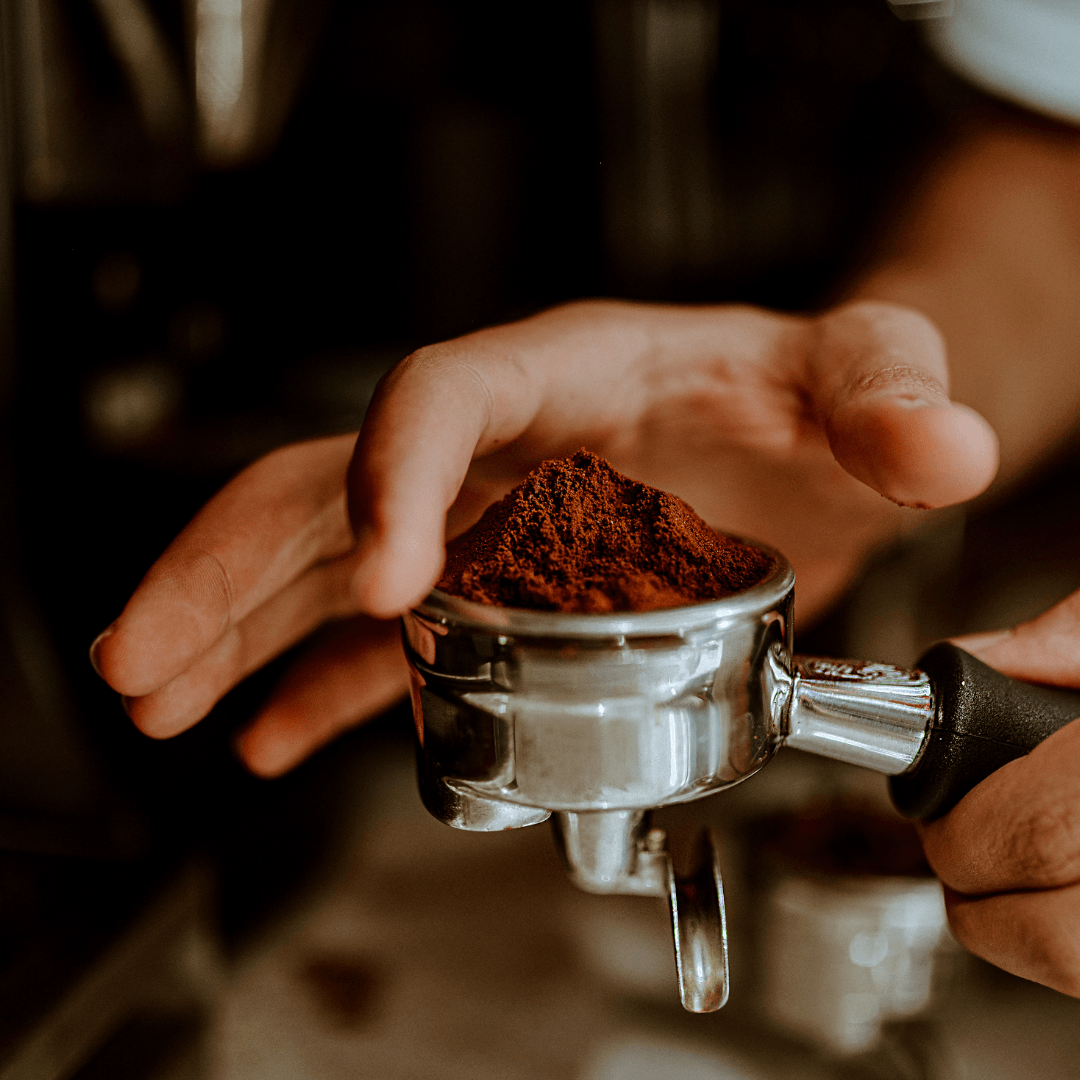
A barista normally begins by pulling one or more shots of espresso into a cup.
Milk is then heated and textured with steam. Instead of producing a thick cap of stiff foam, the barista aims for smooth milk containing very small air bubbles. This velvety texture is known as microfoam.
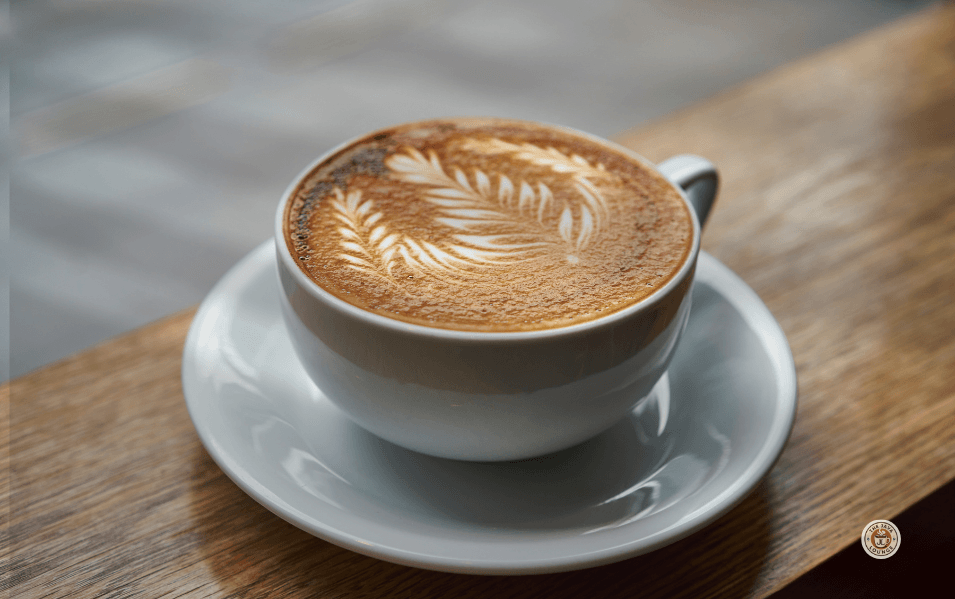
The steamed milk is poured into the espresso, combining the two ingredients while leaving a light layer of foam across the surface. A barista may use that foam to create a heart, rosette or another latte-art design, but latte art isn’t required for the drink to be a latte.
Some cafés use a single espresso shot in smaller drinks and additional shots in larger sizes. Cup sizes and espresso to milk ratios aren’t identical everywhere, so two lattes from different cafés may taste noticeably different.
What Does a Latte Taste Like?
A latte usually tastes mild, creamy and milky, with enough espresso flavor to keep it from tasting like plain warm milk.
The exact flavor depends on several things:
The coffee beans and roast
The number of espresso shots
The amount and type of milk
The size of the drink
Any syrups or toppings added
A darker espresso roast may give the drink a deeper, more noticeable coffee flavor. A lighter roast may taste brighter or more delicate.
The milk also softens some of espresso’s bitterness and creates a smoother texture. Someone who finds plain espresso too concentrated may find a latte much easier to enjoy.
Is a Latte Sweet?
A plain latte normally doesn’t include flavored syrup or added sugar. It may still taste slightly sweet because heating milk brings out more of its natural sweetness.
Flavored lattes are different. Vanilla, caramel, hazelnut, pumpkin spice and mocha-style drinks contain additional flavorings or sauces.
When ordering, check whether the menu item is a plain latte or a named flavored latte. You can also ask for fewer pumps of syrup if you want some flavor without as much sweetness.
How Much Caffeine Does a Latte Have?
The caffeine in a latte comes from its espresso, not from the milk.
That means the number of espresso shots matters more than the total size of the cup. A large latte may contain more milk without containing more espresso, although many cafés automatically add another shot when the drink size increases.
A latte, cappuccino and flat white made with the same espresso shots can have similar amounts of caffeine even though they don’t taste equally strong. The latte may taste milder simply because its espresso is mixed with more milk.
Check the café’s menu or ask the barista when you need an exact shot count.
Latte vs. Cappuccino
A latte and a cappuccino both contain espresso and steamed milk. The biggest differences are the amount of milk, the foam and the finished size.
A latte normally has:
More steamed milk
A lighter layer of foam
A creamier, milkier taste
A larger serving size
A cappuccino normally has:
Less liquid milk
A thicker, airier foam layer
A more noticeable espresso flavor
A smaller serving size
Recipes vary, but ordering a cappuccino generally gives you a foamier and more caffeinated drink. A latte gives you something smoother and milkier.
Latte vs. Flat White
A flat white also combines espresso and steamed milk, which is why it can look very similar to a latte.
The flat white is usually served in a smaller cup and contains less milk in relation to its espresso. Its microfoam is generally thin and closely blended into the drink.
That usually gives a flat white a stronger espresso taste, while a latte is typically larger, creamier and milder.
Latte vs. Café au Lait
The names sound similar because both refer to coffee with milk, but American café menus commonly use them for different drinks.
A latte begins with espresso and uses textured steamed milk.
A café au lait commonly begins with brewed coffee and adds hot milk. It usually doesn’t have the same smooth microfoam or thin latte art surface.
The café au lait may appeal to someone who likes traditional brewed coffee with plenty of warm milk. The latte is the better choice for someone who wants the texture and flavor of an espresso based drink.
Can a Latte Be Iced?
Yes. An iced latte is usually made with:
Espresso
Cold milk
Ice
Because the milk isn’t steamed, an iced latte doesn’t have the same warm microfoam texture as the hot version. It’s still creamy and milk-forward, but it feels lighter and more refreshing.
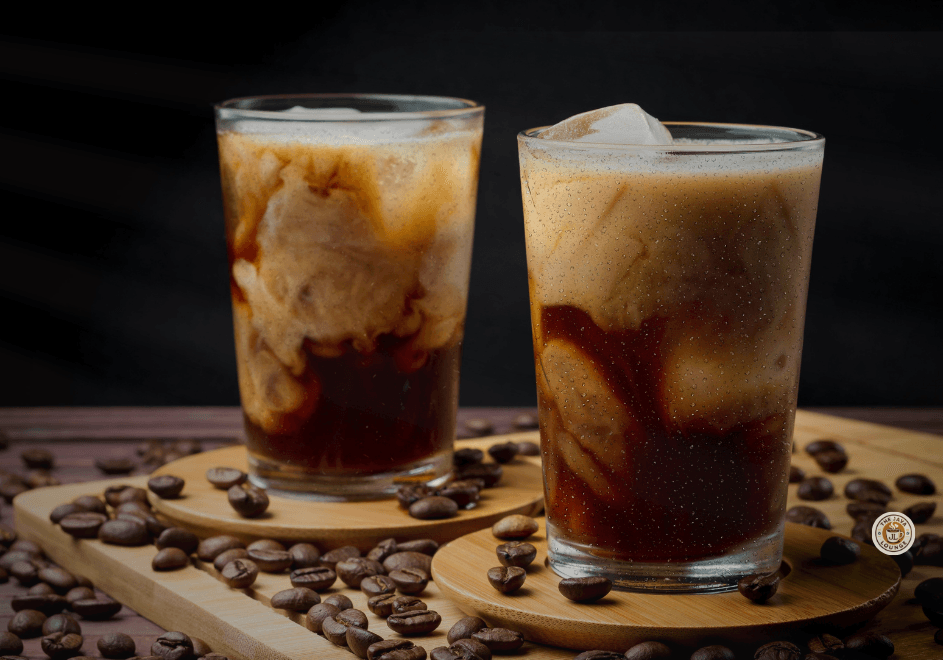
An iced latte is also different from iced coffee. Iced coffee uses brewed coffee poured or chilled over ice, while an iced latte uses espresso as its coffee base.
For a closer look at cold coffee options, read Cold Brew vs. Iced Coffee: What’s the Difference?
Can You Make a Latte With Plant-Based Milk?
Most cafés can prepare a latte using a plant-based milk such as oat, soy, almond or coconut.
Each one changes the drink slightly. Some create smoother foam, while others have a thinner texture or a more noticeable flavor. Barista-style plant milks are specifically formulated to handle heat and produce more stable foam.
Oat milk tends to produce a creamy drink, while almond or coconut milk may add a more distinctive flavor. Availability and results will depend on the café.
How to Order a Latte
Ordering a latte doesn’t have to be complicated. Start with the basic choices:
Hot or iced
Drink size
Regular or decaf espresso
Dairy or plant-based milk
Plain or flavored
Any extra espresso shots
For example:
“Could I have a small hot latte with oat milk?”
That’s enough information for most cafés. You don’t need to know the espresso ratio or milk temperature unless you have a specific preference.
How to Order a Latte
A latte may be a good choice when you want:
A mild introduction to espresso
A creamy drink with plenty of milk
Less foam than a cappuccino
A drink that works hot or iced
The option to add flavors without covering an already delicate drink
You may prefer a cappuccino when you want more foam, or a flat white when you want the espresso to stand out more.
Once you understand how the milk, foam and serving size change the drink, the café menu becomes much easier to navigate.
For more help choosing your next order, read 15 Café Drinks Explained for Beginners.
Café Latte FAQ
Is café latte the same as latte?
On most English-language café menus, yes. Latte is the shortened version of caffè latte.
Is a latte mostly coffee or milk?
A latte is usually mostly milk by volume, but espresso provides its coffee flavor and caffeine.
Does a latte always contain foam?
A hot latte generally has a thin layer of smooth microfoam. It normally has much less visible foam than a cappuccino.
Is a plain latte sweetened?
Usually not. A standard latte contains espresso and milk unless syrup, sugar or another flavoring is added.
Is a latte stronger than regular coffee?
It depends on what “stronger” means. A latte may taste milder because of its milk, but its caffeine content depends on the number of espresso shots and the coffee used.
What is the easiest latte to order as a beginner?
A small plain latte is the simplest place to start. You can then decide whether you’d prefer an extra espresso shot, a different milk or a flavored version next time.
Check these out
Cold Brew vs. Iced Coffee:
What’s the Difference?
The History of Coffee: From Ethiopia to the Modern Café
15 Café Drinks Explained for Beginners

What Makes a Cozy Cafe Feel Warm and Inviting?