



What Is Coffee Culture? Why It’s More Than a Drink
Coffee can be simple: brew it, pour it, drink it. But for a lot of people, the cup is only one part of the experience.
The familiar café order, the first quiet minutes of the morning, the walk to a neighborhood coffee shop, and the conversations that happen around the table all belong to something bigger.
That bigger picture is coffee culture.
What does coffee culture mean?
Coffee culture is the collection of habits, traditions, spaces, preferences, and social experiences built around coffee. It includes how people prepare it, where they drink it, who they share it with, and what the experience represents to them.
That’s why coffee culture can look completely different from one person to the next.
For one person, it’s a quick cup before work. For someone else, it’s sitting in a café with a friend for two hours. It might mean learning about beans and brewing methods, or it might simply mean ordering the same sweet iced drink every Friday.
You don’t have to know the difference between every roast or own expensive equipment to be part of it.
Coffee rituals turn an ordinary drink into a familiar moment
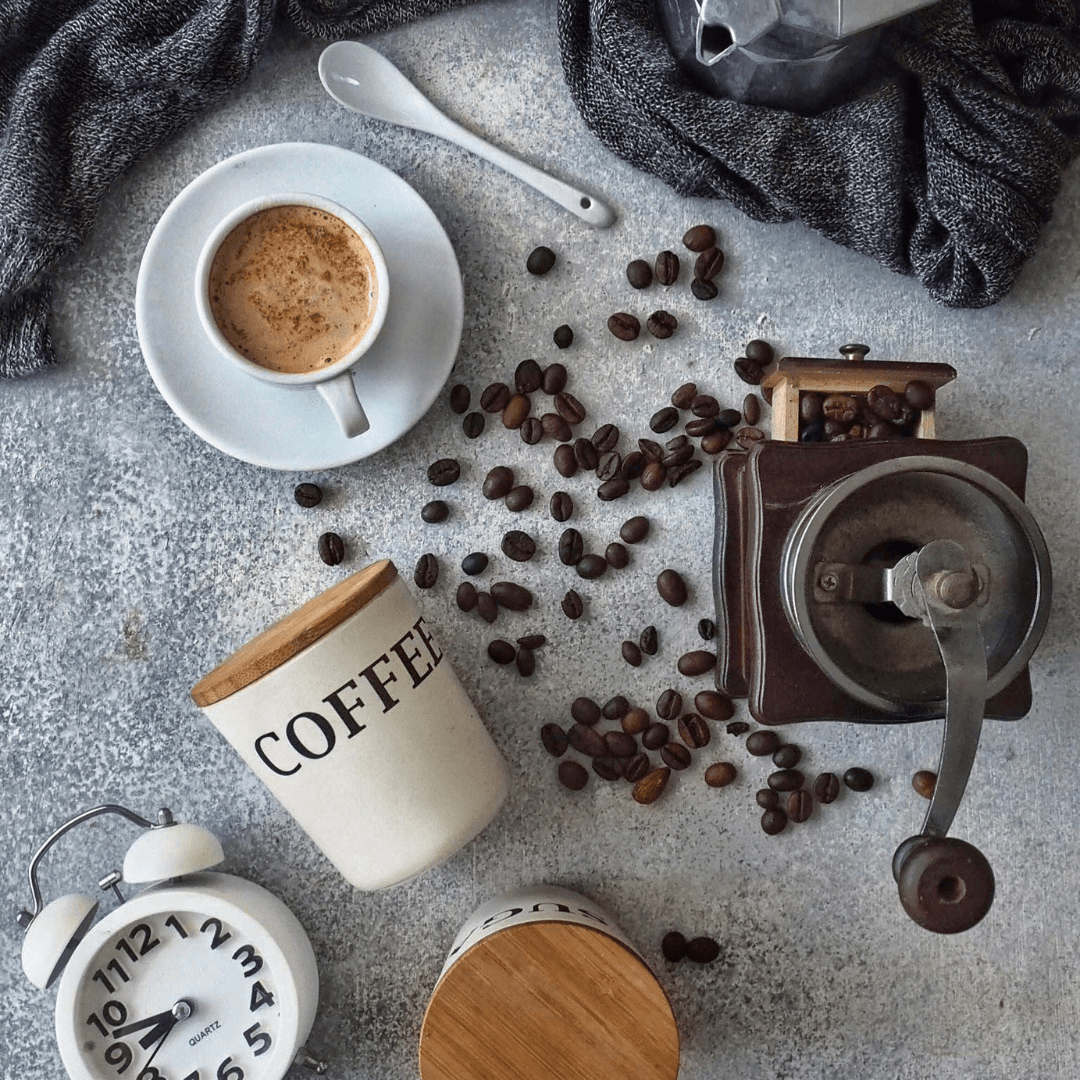
A ritual doesn’t have to be elaborate. It can be as small as using the same mug every morning, stopping at the same café on the way to work, or taking ten minutes away from a screen to enjoy a comforting cup of java.
Those repeated actions give coffee a place in the day. The drink becomes connected to waking up, taking a break, catching up with someone, starting a project, or slowing down after lunch.
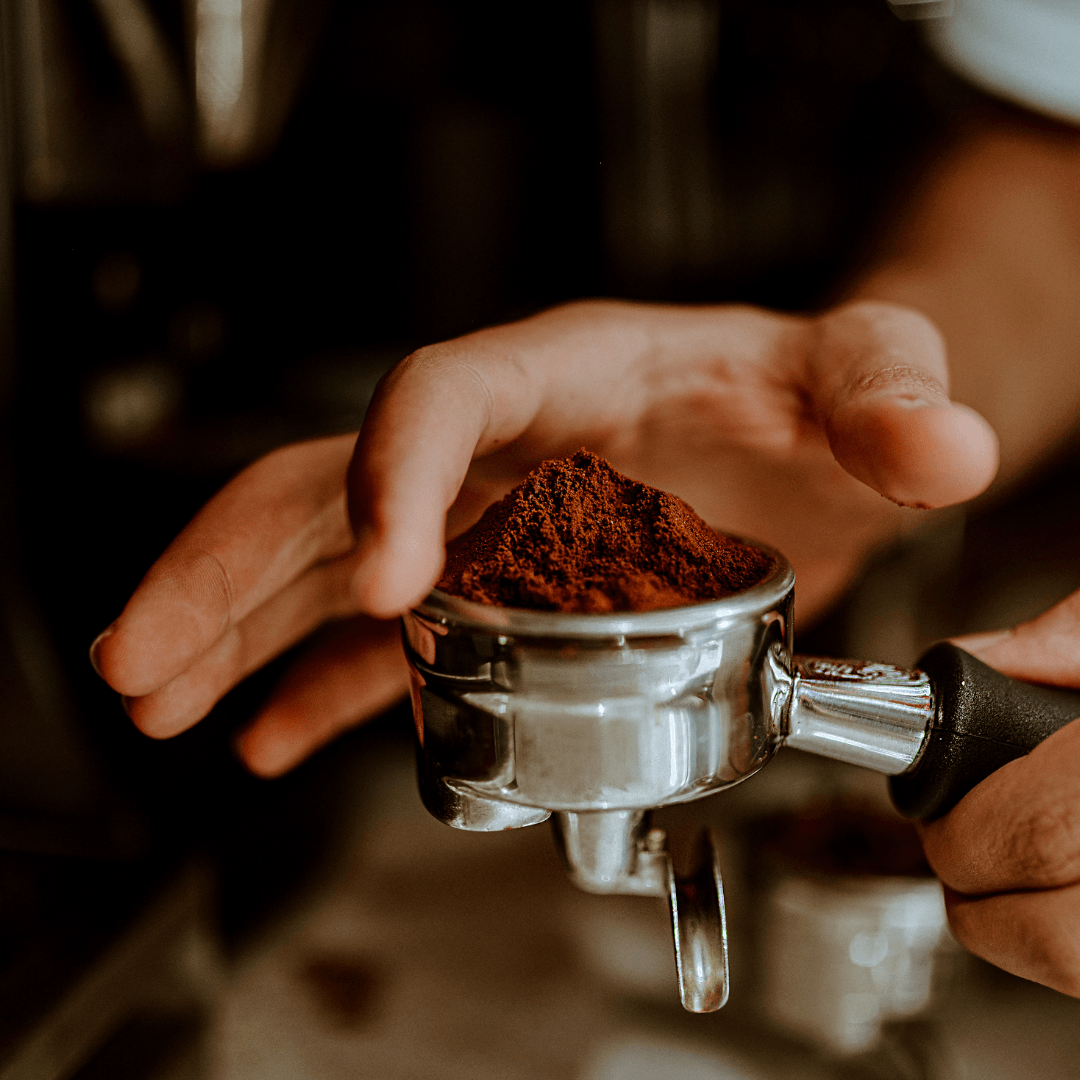
The sound of a grinder, the smell of freshly brewed coffee, the warmth of a mug, or the familiar routine of placing an order can make the experience feel dependable.
Coffee shops can become a “third place”
Home is one place. Work or school is another.
A “third place” is an informal public setting where people can spend time, see familiar faces, and interact without the structure of home or work. Sociologist Ray Oldenburg developed the term, and coffeehouses are often used as a clear example.
Not every coffee shop automatically becomes a community hub. The atmosphere matters.
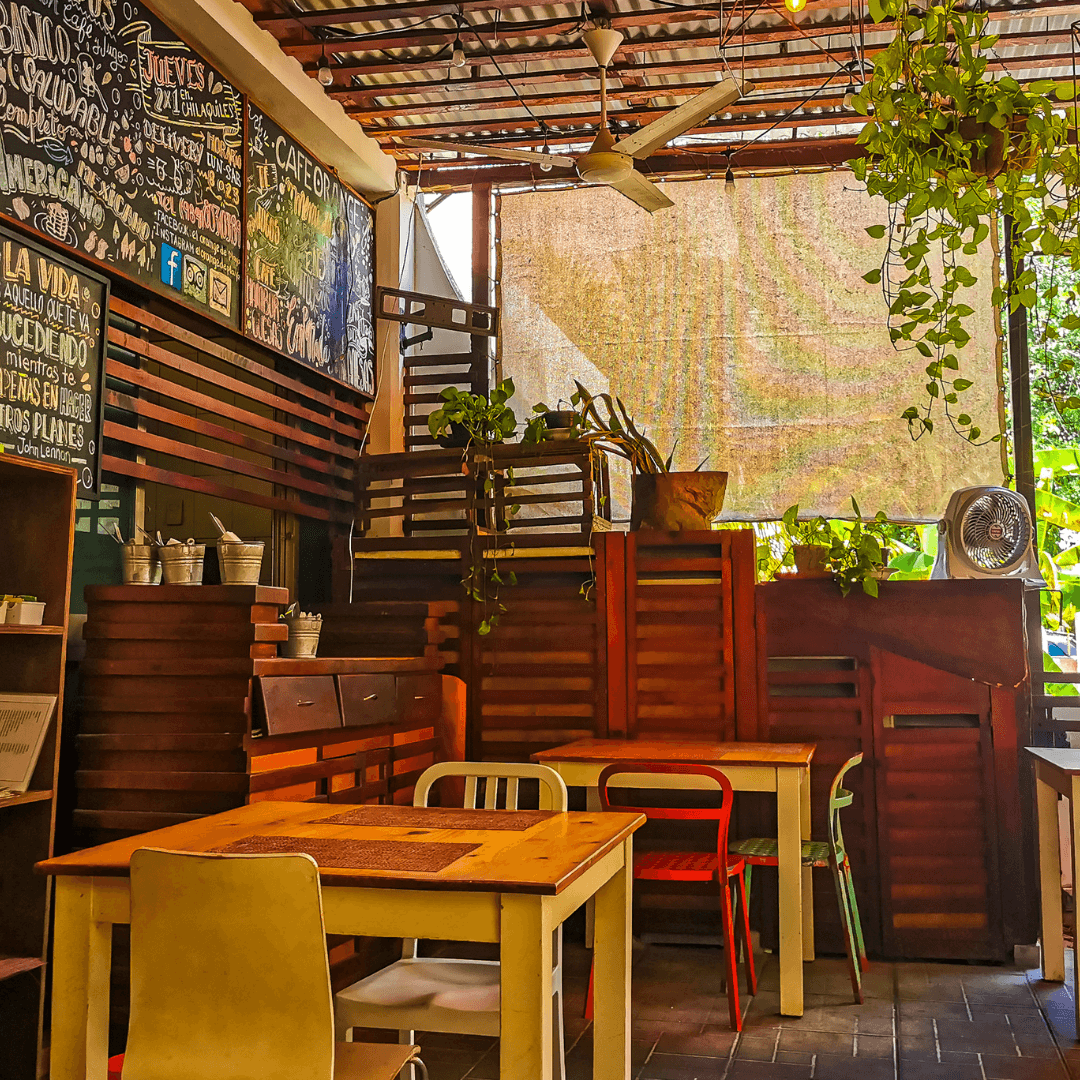
Comfortable seating, regular customers, approachable staff, reasonable noise levels, and the ability to stay for a while can make a café feel like somewhere people belong rather than somewhere they only make a purchase.

Research on urban coffee shops also shows that cafés can serve several roles at once. They can be places for leisure, work, casual interaction, and the slow development of social connections.
This social side of coffee shop culture helps explain why people can feel attached to a café even when they don’t speak to many people there. Sometimes being around others, recognizing the barista, and sharing a familiar space is enough to make a place feel part of your routine.
The layout and atmosphere can also affect whether people want to return. Read more about what makes a café feel cozy and inviting.
Coffee culture changes from place to place
There isn’t one universal way to “do” coffee correctly. Different communities have their own preparation methods, serving customs, pacing, and expectations.
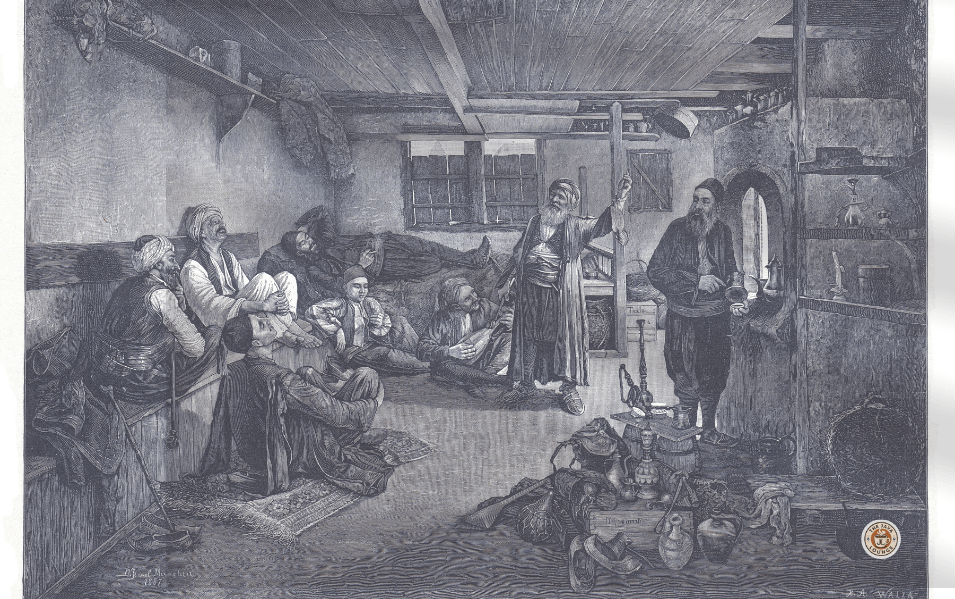
Turkish coffee culture, for example, includes a distinctive brewing method, small cups, conversation, hospitality, and traditions connected to social occasions. The social role of the café isn’t new. Explore the history of coffee shops and some of the earliest documented coffeehouses.
Elsewhere, coffee may be taken quickly at a counter, served cold and sweet, brewed slowly at home, or enjoyed during a long café visit.
None of these experiences is the single definition of coffee culture. They show how the same drink can fit into daily life in very different ways.
Modern coffee culture includes curiosity and personal style
Today’s coffee world gives people plenty of choices.
Café menus name different espresso drinks. Bags of beans list origins, roast levels, and tasting notes.
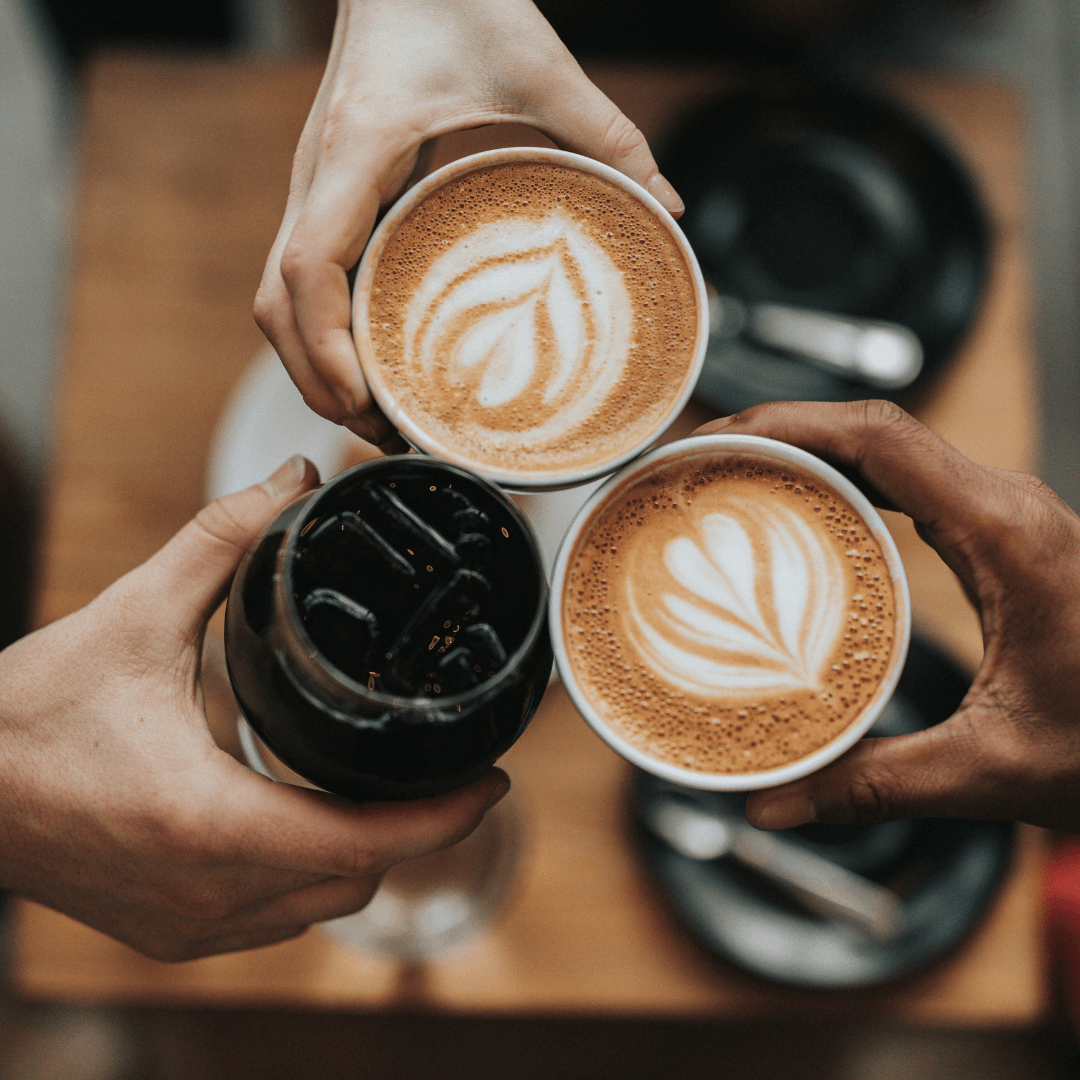
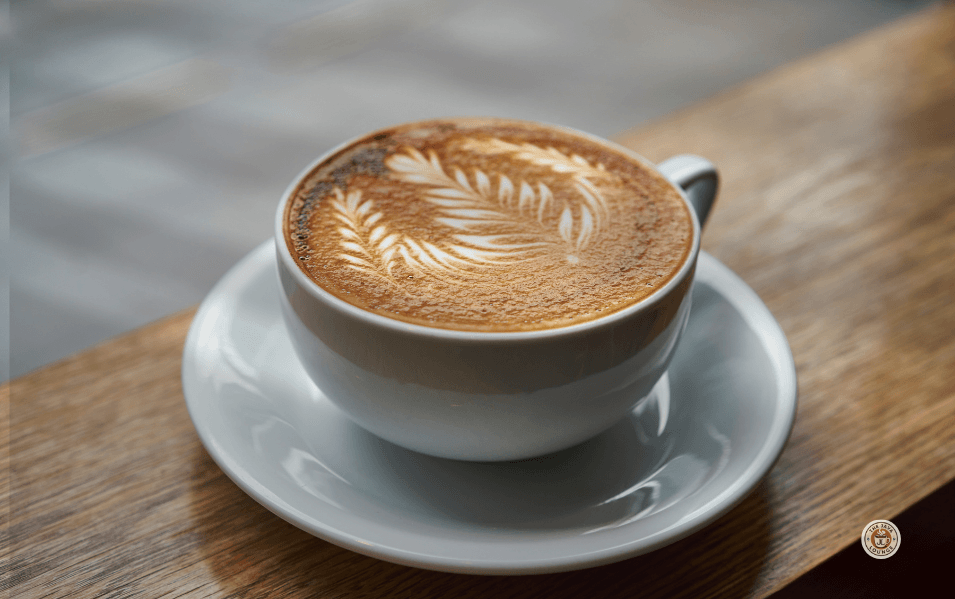
Home brewers compare pour-over tools, grinders, and cold brew methods. Latte art, café interiors, and coffee photography have also become part of how coffee is shared online.
For some people, that creates a fun hobby. They enjoy learning why brewing methods taste different or trying independent cafés when they travel.
For others, the appeal is visual and social: a beautiful shop, a favorite cup, or a drink that feels like a small treat.
Both belong in coffee culture. Enjoyment doesn’t need to turn into expertise.
Curious about the drinks behind today’s café culture? Start with this guide to 15 café drinks explained for beginners.
Coffee culture shouldn’t be about gatekeeping
Coffee preferences can get oddly competitive.
One person insists coffee should always be black. Another treats flavored drinks as less serious. Someone else makes brewing sound like a science exam.
That attitude misses what makes coffee culture interesting.

A person who loves a carefully prepared pour-over isn’t more entitled to enjoy coffee than someone who orders a vanilla latte. Convenience, sweetness, tradition, craftsmanship, cost, and comfort all influence what people choose.
Good coffee culture leaves room for those differences. It encourages curiosity without turning personal taste into a set of rules.
You can take part without making coffee your personality
Being part of coffee culture can be very ordinary. You might:
Learn what’s in the drink you usually order.
Visit an independent café in your neighborhood.
Ask a friend about their favorite coffee tradition.
Notice what makes a coffee shop feel welcoming.
Try one new drink without worrying whether it’s the “right” choice.
Create a simple coffee corner at home for someone in your household.
You don’t need to be a coffee expert to take part in coffee culture. Just notice the habits, people, places, and choices that make the experience meaningful to you.
Coffee culture is really about what happens around the cup
So, what is coffee culture?
It’s the shared world that forms around coffee: the routines, gathering places, conversations, traditions, skills, preferences, and small personal comforts.
The drink matters, but it isn’t the whole story.
Coffee culture lasts because people keep finding ways to make a cup part of their day—and part of their connection to other people.
Check these out

Cold Brew vs. Iced Coffee:
What’s the Difference?
The History of Coffee: From Ethiopia to the Modern Café
15 Café Drinks Explained for Beginners

What Makes a Cozy Cafe Feel Warm and Inviting?